
Stormwater Management Project
In cooperation with the town of Grand Lake
Town of Grand Lake Stormwater Management Plan Phase I Implementation
The Town of Grand Lake completed a Storm Water Management Plan in 2023 (see full plan here) to mitigate stormwater issues on the North/Northwest side of the Town of Grand Lake (ToGL). The watersheds to the north of the ToGL have experienced different forms of hydromodification since its founding in 1879. In recent times, hydromodification has been caused by urban development, climate change through altered rainfall and snowfall patterns, and the East Troublesome Fire of 2020. The consequences of this ongoing hydromodification are increased stormwater runoff, sediment loading, and pollutant delivery into Little Columbine Creek, Grand Lake, and SMR. Little Columbine discharges into SMR, and consequently into Grand Lake 75% of the year. As a result, the water quality within Grand Lake and SMR has deteriorated. This project will improve SMR, thus improving Grand Lake with the goal developing a cost-effective stormwater management solution that integrates natural resource management.
This project is designed to use integrated natural resource engineering designs to improve the stormwater discharge that enters Shadow Mountain Reservoir (SMR), thus improving Grand Lake. The goal of the project is to implement the 1st phase of the Town of Grand Lake (ToGL) Stormwater Management Plan (SWMP) developed in 2023. The ToGL owns two wetland parcels along Little Columbine Creek, which empties directly into SMR via the Grand Lake Estates HOA Marina. Additionally, the upper wetland parcel was severely damaged during the East Troublesome Fire and has reduced effectiveness for stormwater infiltration/filtration. The Thomasson Park parcel has the potential for increased groundwater infiltration/filtration and surface water filtration. Little Columbine Creek also travels through these areas and is currently routed through the Pondview HOA ponds.
The project will be completed through a multi-phased stormwater project approach. The initial phase, the SWMP was completed in 2023 by Watervation, which is a Salida-based, multi-disciplinary environmental engineering firm. The 2023 SWMP was prepared for the portion of the watershed that reaches SMR and subsequently Grand Lake on the north and western side of ToGL, delineated by the glacial moraine. This project is to complete roughly 25% of the SWMP. The Grand Foundation Windy Gap Environmental Fund is providing the funding and Phase I Implementation will include constructing the following features:
Bioretention – Two locations that provide a total of 11,000 square-feet of filtration (Figure 5 and 6 of SWMP). A geotechnical soil boring and percolations tests were conducted in July 2023 to determine the feasibility of this proposed intervention (Exhibit G). The areas where the bioretention will be implemented will require a grated inlet to be installed along with bioretention growing media, riprap, and filter material to be added.
Beaver Dam Analogues – Four locations that produce a total of 10,200 square feet of filtration (Figure 6 & 7). The installation of the logs will require boulders to be used as anchors, creating small drops of less than 0.5 feet at each log installation (Figure 6).
Rock Check Swale – One location that stabilizes 370 feet of a highly erodible ditch (Figure 8).
The permitting and bidding process was completed in April and May of 2026. The construction season is contingent on the arrival of snow in the high mountains, and thus the project is expected to take place between June – October 2026.
The intended outcome of this project is to decrease the suspended solids prior entering SMR and improve the ground water recharge along the way where possible. The current condition of the receiving body of water is inundated with lake weeds fed by nutrient-loaded, warm waters. The project will decrease the velocity of the contributing waters, which will allow sediment to fall out, and give the water a chance to infiltrate and spread out, which in turn, will lower the overall temperatures and decrease the nutrient load.
The proposed beaver dam analogues will improve water quality by trapping and converting nutrients, such as phosphorus to assist in the recovery from wildfires. The restoration of the wetland will result in improved carbon sequestration, by capturing greenhouse gases from the atmosphere. A similar benefit will be observed in future phases from introducing engineered, vegetated swales and check dams instead of stormwater conveyance piping. These benefits include: reduced peak flow of stormwater runoff, reduced spot flooding, trapping of pollutants/suspended solids, and reduced velocity of runoff to allow water to soak into the ground.
Reducing runoff pollution before it reaches Shadow Mountain Reservoir and Grand Lake
This project focuses on improving stormwater flow, reducing sediment and nutrient pollution, and protecting water quality in the Three Lakes system.
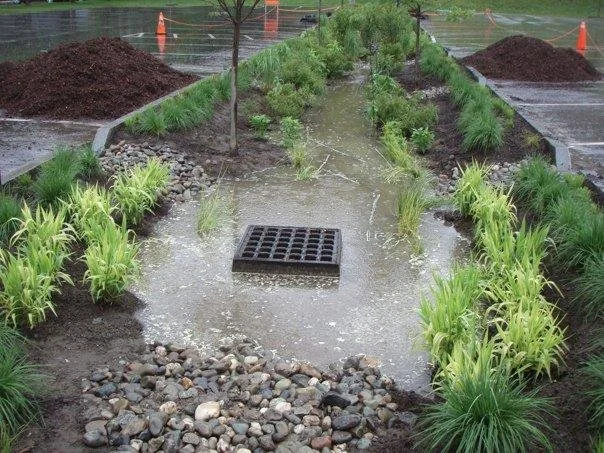
Why Stormwater Matters
Runoff from roads, neighborhoods, wildfire impacts, and altered drainage patterns carries sediment and nutrients into Shadow Mountain Reservoir and Grand Lake. These pollutants contribute to algae growth, lake weeds, and declining water clarity.
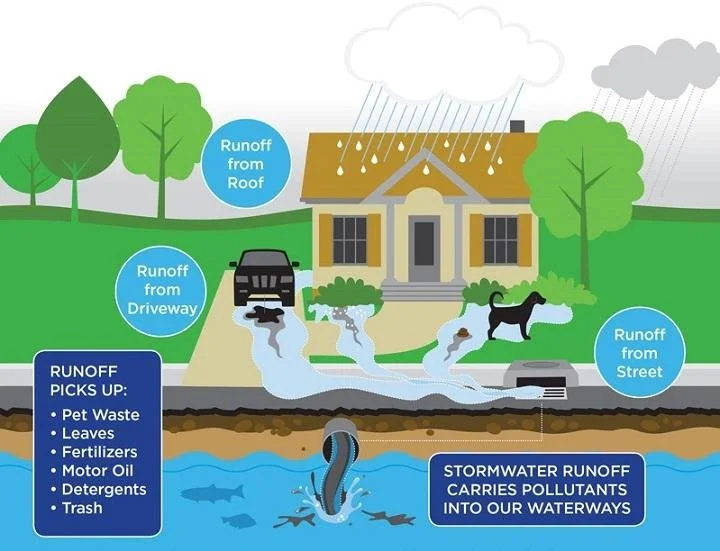
Nature-Based Solutions
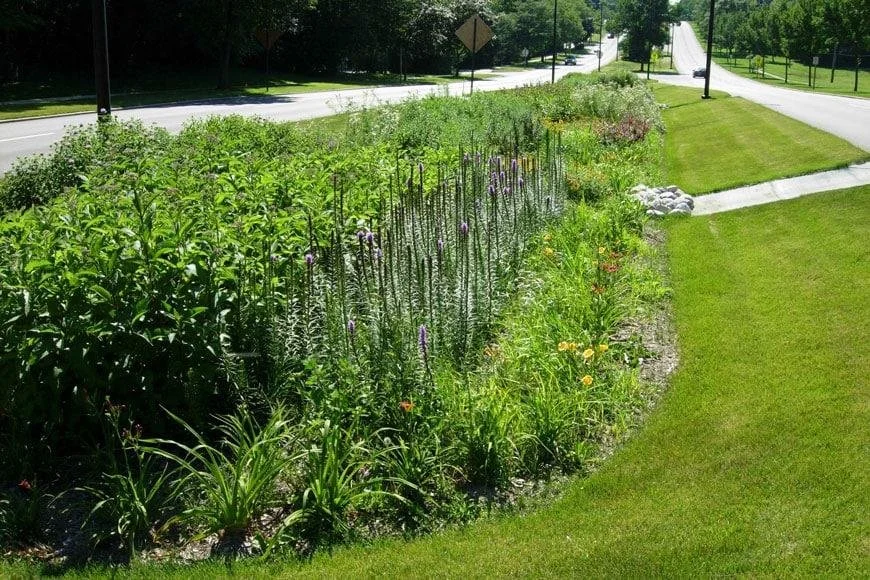
Bioretention Areas
Filter and slow stormwater before it reaches the lake system.
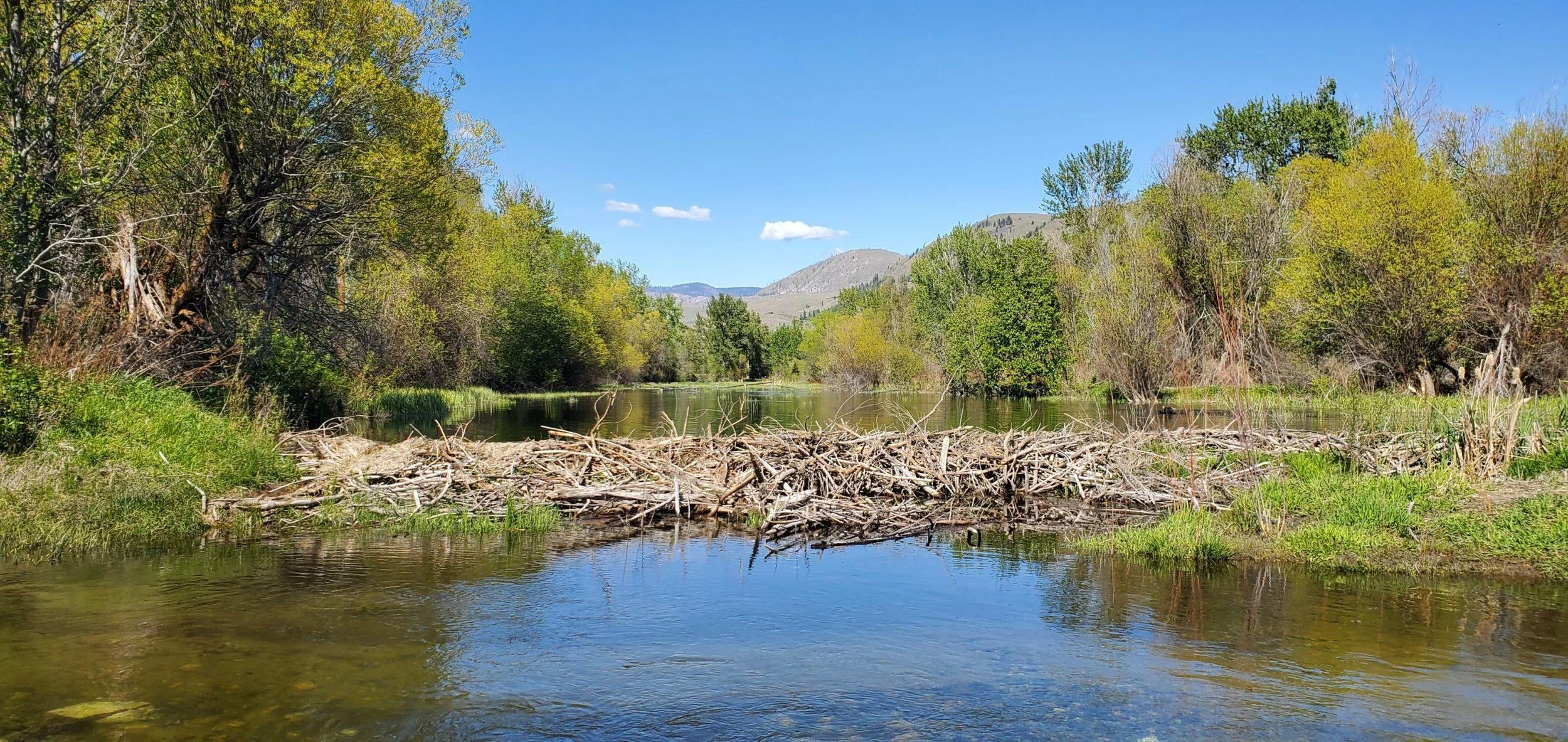
Beaver Dam Analogues
Help trap sediment, reduce flow velocity, and improve wetland function.
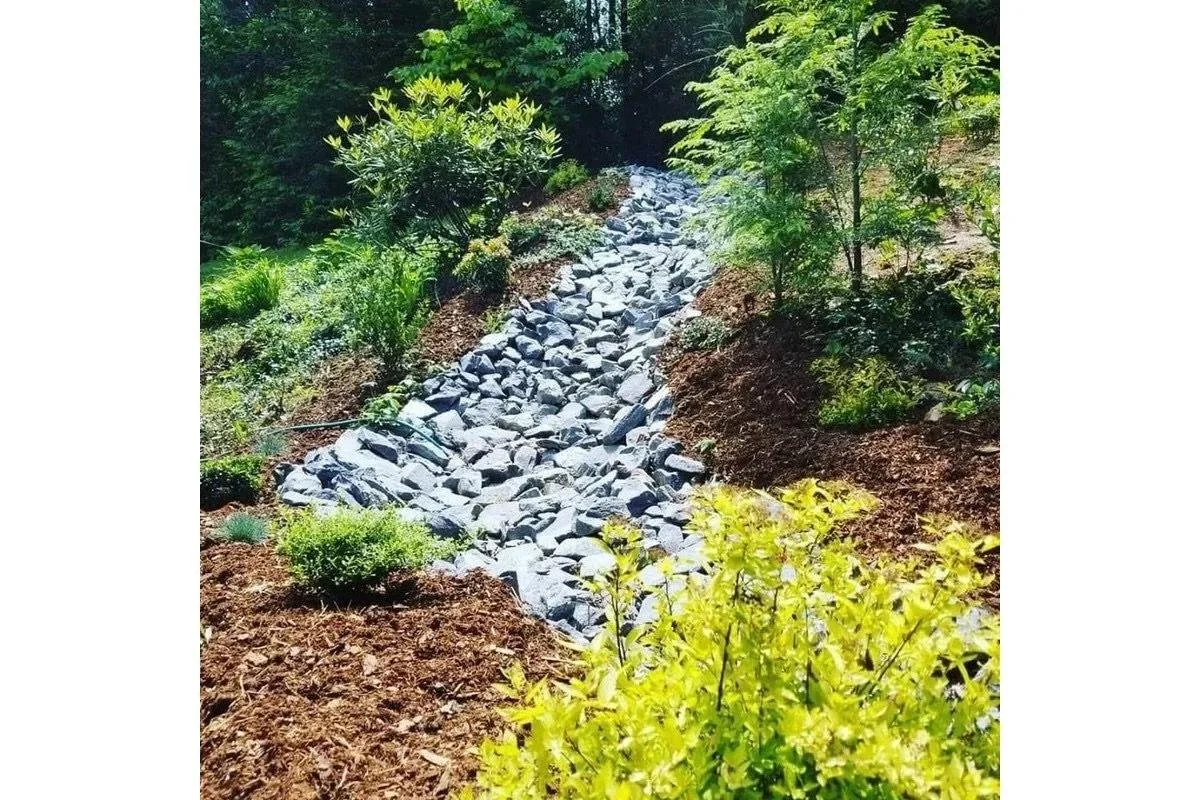
Rock Check Swales
Stabilize erosion-prone drainage areas and improve infiltration.
Project Partners

Project Timeline
Planning was completed in 2024, with permitting and construction expected during the summer and fall season. Read more by downloading this PDF below.